Glass without the glare
Seeing more clearly from your window in your shelter.
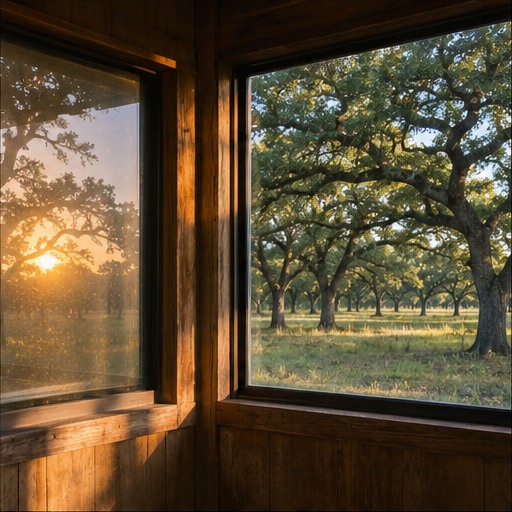
This bright window in your shelter is distracting instead of giving you a view to a distant place. This does not necessarily have to be a problem for you as long as you have a view. In a few comfort ways you can change the seat, the interior shade or the time of cleaning the pane.
Start by reading the light
Light is most reflected when it is behind you. This means that things that are very pale, such as a pale colored shirt, a map or even a very pale part of the interior of the shelter can appear to be more visible than the view that you are trying to look at. Before you settle into a viewing position it is worth checking the view from that position first. Often a small change in your viewing position can make a huge difference to your viewing experience.
Just move to the side a little! Go back to your original viewing position and look through the same spot. You will notice that the darks and lights have changed on the surface in front of you. You can get a better view by just moving your seat to the side rather than covering the whole window with a blanket!
The amount that a reflection will move out of your view as you go down into your seat is also determined by your height. A reflection that forms a cross in your view point will move up and out of your view as you go down into your seat. That's why tall people, people sitting on low stools and people sitting in chairs with high backs can see a lot more than shorter people sitting on low seats.
Choose a shade that stays out of the opening
Use a piece of cloth. A small, dark piece of cloth or a blanket is used to create a 'black' band around the observer's eyes to block out the bright interior reflection(s). This piece of cloth must be kept away from heat sources (such as lamps, heaters, cooking equipment etc.) and must not block the shelter door, any ventilation openings or the observer's exit route.
Using a small piece of cloth is far easier than using a large blanket. Fold it up into a small piece the size of your hand and either drape it over the side of your face or attach it to the inside of the shelter to create a band of dark around your eyes. Note though that this cloth must be kept away from heat sources such as lamps, stoves etc. as well as ensuring that it does not block the door, any ventilation openings or your route of exit from the shelter.
This has been a way of viewing through a windowed shelter but there are simpler ways of doing this and they are all to refuse the temptation of hanging fabric in front of the window. Other people sharing your shelter will thank you too! Reading light from within your shelter can be controlled in a few comfort ways.
A few inches to the side could be enough to view the outside scene in all its glory – if you need to read the light in order to view through the window a few inches to the side of where you have been sitting in order to view the outside scene in all its glory then a small piece of cloth about the size of your head is held by your side in order to readjust the amount of contrast in order to view the outside scene in all its glory.
Clean only when cleaning helps
All surfaces that you are going to look at with your eyes need to be clean and free from dirt or grime. Clean your views with two different cloths, a clean lens cloth for your binoculars and a soft cloth for your views. Do not use a large surface area cloth as you could deposit grit on your optical equipment.
Before you clean the glazing brush off any loose grit or dirt. Use a soft cloth and the recommended cleaning solution for the glazing (e.g. some coated glass or plastic panels need to be cleaned with specialized solutions and not with normal glass cleaning solutions). Always follow the manufacturer's instructions for the shelter's glazing.
A small amount of grime above and outside the area of the view that you are using to look at wildlife is not worth risking scratching the glass with dry dust. A dirty cloth is worse than no cloth at all. The presence of grime on the views outside your window is an indicator of whether or not the glass needs cleaning but it is not a determining factor in itself.
Even though the window is clean of all dirt and finger marks the glass could still appear to be smenary or to be reflecting off of it. If this is the case it is far easier to swap to using an interior shade than to polish the glass in an attempt to remove reflection from the surface of it.
Aim evening light away from the glass
Using your evening shelter lights later will provide more reflections off the surface of the window. Adjust the brightness of your phone or shelter screen and try to angle the light from it away from the window.
In addition to screens held down low in the observer's lap being potentially worse than turning them through 180 degrees to view from the alternative side, other interior lights such as lamps down low on floors or down low in corners can also reflect badly from a window angle. It is therefore better to turn them off or reposition.
Give your eyes time to adjust to the very low light. The big transition from very bright to very dark can make a very visible landscape appear to go away. But just a few minutes in this lower light will tell you if the problem is with the view or with the reflection.
Does the angle of a bright headlamp held down low to view a landscape down low create more problems by reflecting off of the angled surface of the pane than viewing the same scene from a slightly different angle by turning round and viewing it from the side? A dimly lit phone held down low between your knees to view the same scene down low would no doubt create less of a problem and in fact would actually help by decreasing the contrast between the bright internal surface and the dark external scene.
Check the setup before settling in
Before you go out to your wildlife observation, just check your shelter views. Go down on hands and knees at your viewing seat. Check the view from down low on hands and knees at your viewing seat. Then move to a lower spot and check the view from there, and then go up high and check the view from there too. See the interior bright bits as well as the outside views and then just move your chair if the views aren't good enough.
After this, clean any panes as necessary to get the best view of wildlife. Remember to use a soft cloth and follow the maker's instructions for the glazing as different types will need different cleaning solutions. A clean lens cloth for your binoculars is a completely different item from a general purpose shelter shade cleaning cloth.
Reducing the impact of indoor light in the evening is really simple by using shades to keep material away from heat, airflow and exits. By performing a few simple checks wildlife observation from inside a simple shelter can be a breeze rather than a complicated exercise. The aim is to remove the worst reflection and allow clear views of wildlife through the window of your shelter around your equipment and out of the shelter.
Keep reading
All stories
Choosing a field shelter
Your outdoor time should be whatever you wish it to be. Your shelter should fit the people, equipment,…
Read more